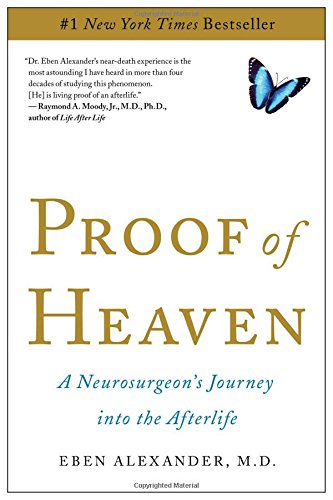

Part two of yesterday's interview. Does mediumship present better evidence for survival or for living agent psi?
Thursday, October 6, 2016

Cults: Veganism
Lierre Keith is a writer, radical feminist, food activist, and environmentalist (three out of four isn't bad). She's written a book, The Vegetarian Myth: Food, Justice, and Sustainability, that exposes the cult of veganism and how it is destroying the planet (literally).
Amazon's description:
Part memoir, nutritional primer, and political manifesto, this controversial examination exposes the destructive history of agriculture—causing the devastation of prairies and forests, driving countless species extinct, altering the climate, and destroying the topsoil—and asserts that, in order to save the planet, food must come from within living communities. In order for this to happen, the argument champions eating locally and sustainably and encourages those with the resources to grow their own food. Further examining the question of what to eat from the perspective of both human and environmental health, the account goes beyond health choices and discusses potential moral issues from eating—or not eating—animals. Through the deeply personal narrative of someone who practiced veganism for 20 years, this unique exploration also discusses alternatives to industrial farming, reveals the risks of a vegan diet, and explains why animals belong on ecologically sound farms.
Agriculture is tremendously destructive of the environment. The vegan lifestyle is actually the least environmentally friendly of all possible options. Forests and fields need to be cleared, habitat needs to be destroyed, aquifers need to be drained, and oil needs to be drilled to make fertiliser. The system of agribusiness we have in place right now is only possible due to massive government subsidies and petrochemical fertiliser. 5 billion people are alive today because of artificial phosphate fertilisers and ground water irrigation. Those phosphates won't last forever, and neither will the groundwater, just like the guano. Personally I suspect there's two or more centuries worth of oil that remain to be exploited, but phosphates and ground water are being depleted faster than they can be replenished, and I don't put much hope for future utopianisms. Old methods of agriculture can only supply food for about two billion people, not seven, and it takes millions of years for aquifers to fill with water and caves to fill with shit to be used to grow food for five billion real people who will die if they don't eat anything.
There was a great discovery in 1802 of something called guano. Guano is bird shit, and it is perfect for fertiliser (and for making explosives and gunpowder). The great powers of Europe waged wars and colonised the entire planet in search of guano. For thousandsof years seabirds had crapped on tiny rocks and islands, creating piles of guano hundreds of feet thick, and it only took about a century for all the guano to be mined. How long will it take for all the groundwater, phosphate, and oil to be mined? 50 years? 100? Some places like Saudi Arabia, which had tremendous aquifers, have already depleated their groundwater in a single lifetime. They engaged in massive agriculture, growing cash crops like alfalfa and soy that use a tremendous amount of water, and now that they've run out they are buying up water in the United States to grow soy on US soil, depleating our own water reserves.
Some people, most people I would assume, place hope in "future science". "Future science will solve all of our problems!" Has it? Most animals were not designed to eat corn (a human invention of the Andes peoples). But the government subsidises corn, and petrochemical fertilisers can grow a ton of it cheap, so tons of corn are grown and fed to animals to fatten them up quickly. Those animals, because they are eating junk and living in their own shit in cages too small to move, need to be pumped with antibiotics to keep from dropping dead. Massive reliance on antibiotics in factory farms have produced superbugs that are now resistant to all of our drugs of last resort. Just this year colistin, a drug so potent and toxic that it was used only to combat bacteria that would respond to no other treatment, has just met its match in drug resistant superbugs. How could this happen? Because although colostin was only very rarely used in humans, China pumped tons of the stuff into pigs and chickens to keep them from dropping dead in hideously polluted factory farms. Just this May the first colostin-resistant bacteria was discovered. We have no idea if that bacteria has escaped into the wild. Even if it has not we're not too far away from a time when all antibiotics are rendered useless (unless we develop new ones, and there haven't been any new antibiotics in decades). In a single lifetime we have seen the rise and fall of drugs to combat disease.
It's not just superbugs, it's our own bodies too. We're not designed to ingest massive quantities of grown hormone, antibiotics, estrogen from birth control that ends up in the water supply, and all the other toxic crap we're putting into food to grow lots of it really quick and make it last forever.
What if "future science" doesn't solve all of our problems? What is "future science" anyway? It's that stuff no one wants to invest in because it's not two hundred year old science. I love oil. I'm sitting on oil, typing on oil, looking at pictures projected on oil, in a house lit by oil, and I eat food that exists only because of oil, but maybe we should be investing in things beside oil because it's stupid to rely on only one kind of power source, just in case something bad happens to it?
Getting beyond that, the human body isn't designed to eat a plant diet. Most plants are toxic and need to be cooked to destroy those toxins before it is safe to eat them. Even then, most plants aren't too good for your body anyway, and cellulose is impossible to digest, so most of what you're eating just ends up filling the toilet. Some animals can digest plants, animals with very long, complicated guts. Pack hunters like humans, have shorter guts designed to digest meat from animals with longer guts. Herbivores do all the work, we get all the benefit. It's win-win really. Cows, sheep, and pigs are tremendously successful species, because they taste good. Domesticated animals have a very good chance of reproducing. That's why there are billions of them. These animals have thrived, while their wild counterparts have gone extinct, because they have adapted to life under human control. Eating meat keeps many species from going extinct, keeps wilderness land from being destroyed and turned into farms, and provides the human body what it needs to survive.
That said, there's a right and a wrong way to raise animals. The factory farms that pump animals full of antibiotics is the wrong way. What's the right way? Read the book.
Amazon's description:
Part memoir, nutritional primer, and political manifesto, this controversial examination exposes the destructive history of agriculture—causing the devastation of prairies and forests, driving countless species extinct, altering the climate, and destroying the topsoil—and asserts that, in order to save the planet, food must come from within living communities. In order for this to happen, the argument champions eating locally and sustainably and encourages those with the resources to grow their own food. Further examining the question of what to eat from the perspective of both human and environmental health, the account goes beyond health choices and discusses potential moral issues from eating—or not eating—animals. Through the deeply personal narrative of someone who practiced veganism for 20 years, this unique exploration also discusses alternatives to industrial farming, reveals the risks of a vegan diet, and explains why animals belong on ecologically sound farms.
Agriculture is tremendously destructive of the environment. The vegan lifestyle is actually the least environmentally friendly of all possible options. Forests and fields need to be cleared, habitat needs to be destroyed, aquifers need to be drained, and oil needs to be drilled to make fertiliser. The system of agribusiness we have in place right now is only possible due to massive government subsidies and petrochemical fertiliser. 5 billion people are alive today because of artificial phosphate fertilisers and ground water irrigation. Those phosphates won't last forever, and neither will the groundwater, just like the guano. Personally I suspect there's two or more centuries worth of oil that remain to be exploited, but phosphates and ground water are being depleted faster than they can be replenished, and I don't put much hope for future utopianisms. Old methods of agriculture can only supply food for about two billion people, not seven, and it takes millions of years for aquifers to fill with water and caves to fill with shit to be used to grow food for five billion real people who will die if they don't eat anything.
There was a great discovery in 1802 of something called guano. Guano is bird shit, and it is perfect for fertiliser (and for making explosives and gunpowder). The great powers of Europe waged wars and colonised the entire planet in search of guano. For thousandsof years seabirds had crapped on tiny rocks and islands, creating piles of guano hundreds of feet thick, and it only took about a century for all the guano to be mined. How long will it take for all the groundwater, phosphate, and oil to be mined? 50 years? 100? Some places like Saudi Arabia, which had tremendous aquifers, have already depleated their groundwater in a single lifetime. They engaged in massive agriculture, growing cash crops like alfalfa and soy that use a tremendous amount of water, and now that they've run out they are buying up water in the United States to grow soy on US soil, depleating our own water reserves.
Some people, most people I would assume, place hope in "future science". "Future science will solve all of our problems!" Has it? Most animals were not designed to eat corn (a human invention of the Andes peoples). But the government subsidises corn, and petrochemical fertilisers can grow a ton of it cheap, so tons of corn are grown and fed to animals to fatten them up quickly. Those animals, because they are eating junk and living in their own shit in cages too small to move, need to be pumped with antibiotics to keep from dropping dead. Massive reliance on antibiotics in factory farms have produced superbugs that are now resistant to all of our drugs of last resort. Just this year colistin, a drug so potent and toxic that it was used only to combat bacteria that would respond to no other treatment, has just met its match in drug resistant superbugs. How could this happen? Because although colostin was only very rarely used in humans, China pumped tons of the stuff into pigs and chickens to keep them from dropping dead in hideously polluted factory farms. Just this May the first colostin-resistant bacteria was discovered. We have no idea if that bacteria has escaped into the wild. Even if it has not we're not too far away from a time when all antibiotics are rendered useless (unless we develop new ones, and there haven't been any new antibiotics in decades). In a single lifetime we have seen the rise and fall of drugs to combat disease.
It's not just superbugs, it's our own bodies too. We're not designed to ingest massive quantities of grown hormone, antibiotics, estrogen from birth control that ends up in the water supply, and all the other toxic crap we're putting into food to grow lots of it really quick and make it last forever.
What if "future science" doesn't solve all of our problems? What is "future science" anyway? It's that stuff no one wants to invest in because it's not two hundred year old science. I love oil. I'm sitting on oil, typing on oil, looking at pictures projected on oil, in a house lit by oil, and I eat food that exists only because of oil, but maybe we should be investing in things beside oil because it's stupid to rely on only one kind of power source, just in case something bad happens to it?
Getting beyond that, the human body isn't designed to eat a plant diet. Most plants are toxic and need to be cooked to destroy those toxins before it is safe to eat them. Even then, most plants aren't too good for your body anyway, and cellulose is impossible to digest, so most of what you're eating just ends up filling the toilet. Some animals can digest plants, animals with very long, complicated guts. Pack hunters like humans, have shorter guts designed to digest meat from animals with longer guts. Herbivores do all the work, we get all the benefit. It's win-win really. Cows, sheep, and pigs are tremendously successful species, because they taste good. Domesticated animals have a very good chance of reproducing. That's why there are billions of them. These animals have thrived, while their wild counterparts have gone extinct, because they have adapted to life under human control. Eating meat keeps many species from going extinct, keeps wilderness land from being destroyed and turned into farms, and provides the human body what it needs to survive.
That said, there's a right and a wrong way to raise animals. The factory farms that pump animals full of antibiotics is the wrong way. What's the right way? Read the book.
Wednesday, October 5, 2016
Philosophy and Post-Mortem Survival with Stephen E. Braude
Stephen Braude discusses philosophical questions related to survival of consciousness. He brings up two interesting points. First, that we're thinking of "super psi" wrong (he prefers to call it "living agent psi"). Most people think of the "super" more like super hero rather than super glue. It is not psi above and beyond anything we have experienced before, it is just really good quality psi (the issue of some remarkably accurate remote viewers was brought up. Check out Joe McMoneagle's Memoirs of a Psychic Spy, now in the convenient book section, for some stories.). Second, survival necessitates super psi, in that deceased persons would need remarkable ESP abilities to communicate with one another and the living, and to know what the living are currently doing, since they lack the five physical senses.
Tuesday, September 20, 2016
The Great War Avoided?
What if Russia did not declare war on Austria-Hungary in 1914?
Had Russia decided to stay out of the war then the guns of August would have fired on a much reduced theater. There would be no Great War. Without Russia coming to the aid of Serbia as the great protector of all Slavic peoples, Germany would not have entered the war. No Germany, no France, no intrusion on Belgian neutrality, no Britain, no Great War. One event set off the other in a chain reaction that turned a simple regional tussle into a global disaster that destroyed the old world order and provided the impetus for the birth of communism and Nazism.
So why did Russia go to war? Because they saw themselves as big brother to tiny little Serbia. Serbia is a newcomer on the world stage, and they might seem weak after fighting two wars in the previous two years. Austria was a great power, allegedly, and they were itching for a war with Serbia for years. The death of Franz Ferdinand was just a pretext. The ultimatum that was delivered to Serbia to avoid war was designed to be unacceptable. Austrian brass knew Serbia would never capitulate to so many outrageous demands. Everyone else knew so too, and even the Kaiser begged Franz Joseph to be more reasonable.
What everyone knew turned out to be wrong. Serbia, eager to avoid war, did capitulate to the shopping list of unreasonable demands. Unfortunately they were about 20 minutes late in delivering the telegram, so Austria went to war. The Kaiser pleaded again, but the Austrians would hear none of it.
Now this clearly appears to be a David versus Goliath situation, and I would agree, but one needs to remember that David won with a single shot! The story of David and Goliath is that of a foe who appears to be invincible but is really fatally flawed, versus an opponent who appears to be small and weak but who is really swift and brilliant, and capable of delivering a fatal blow before the enemy has time to react. While on paper Serbia looked hopelessly outclassed, the reality was the exact opposite.
The Austrian military was weak, calcified, and decrepit. There was no cohesion within the empire, that was threatening to rend itself in three directions. Austria-Hungary really was a very sick empire. The Hungarians constantly tried to stonewall every piece of legislation the Austrians tried to pass. Emperor Franz Joseph, then age 84, had sat on the throne for 66 years! The people considered him to be the immortal Emperor, because multiple generations had lived and died under his rule. There was hardly a subject alive who remembered a time before this tired old man ruled. Several times he dissolved the Hungarian government to curb their defiance, and it was only he who could hold the empire together. The moment the emperor took his last breath it would only be months before three nationalities who were constantly at each other's throats would tear the empire apart.
Franz Joseph lived to see Austria's fall from grace in the Austro-Prussian War. Prussia was now the new head of the German peoples, and their military seemed unstoppable. Austria was old, and empire of geriatrics, unable to think outside of the mouldy box that had been stored in an antiquated cedar chest for centuries. Reform was impossible, and, as a result, Austria would never be able to adapt to modern warfare.
Serbia, on the other hand, was just the opposite. The Kingdom of Serbia was young and new, and, unlike most other European nation states, was ruled by a Serb king, not a German! Instead of approaching the Germans on bent knee, begging for an inbred king, the Serbs pulled one of their own out of the mud, a peasant farmer, and made him king. A full-blood Serb ruled over the Serbs, and the people were beaming with pride.
Time and again we see that superior numbers and equipment is no match for superior training and will to fight. Serbia looked weak after fighting to Balkan Wars. Their territory had increased dramatically, and it appeared that they could not sustain a fight against a far superior enemy. The treasury had been drained, and supplies were short. Austria attacked with twice the number of men, with far better equipment and supplies, and a whole war industry to support it. It should have been an easy victory for Austria, which is why Russia decided to intervene on Serbia's behalf.
That intervention might not have been necessary, and, either way, ultimately led to the near total destruction of Serbia by involving it in a larger war.
The Austrian brass, commanded by General Oskar Potiorek, suffered from impulsivity, lack of imagination, and near incompetence. Potiorek made a disastrous initial move that was so poorly conceived that the Serbians initially didn't believe the Austrian army would commit itself to an attack in the mountains where maneuver was impossible. After four days of fierce fighting Serbia emerged victorious, pushing the Austrians back.
Austria would hammer again, hoping to use their numbers to wear the Serbians down. With little in the way of ammunition, Serbia fell back in a strategic retreat, leading the Austrians into a trap. The Serbian army suffered, to be sure, from lack of supplies, fatigue, and poor weather, but morale held, and the scorched earth policy hampered the Austrian advance. By the end of November the Austrian army found itself in barren countryside, surrounded by mountains and fortifications Serbia had prepared months in advance. Finally, under cover of a heavy storm, the two armies clashed on the banks of the Kolubara River. Like the Spartans at Thermopylae, the Serbian army held its ground in the south, while strategically withdrawing from Belgrade in the north.
Thinking they were winning, and fearing the army would outstrip its supply line, the Austrians halted. Seizing the initiative, the Serbians moved in to encircle the Austrian army, which had failed to prepare for a counter-attack. Serbian morale soared. Serbia advanced behind the Austrian lines, capturing tens of thousands of Austrians in a ten day offensive, suffering few casualties. By 15 December the Austrian army had retreated fully across the Danube.
Austria-Hungary had been soundly humiliated. They had failed in all their objectives. This tiny upstart had routed their massive and majestic army that was once the pride of Europe for centuries. Appalled by the atrocities committed by the Austrians, and inspired by the tremendous victory of so few fighting against so many, nations all over the world rallied to Serbia's cause.
Serbia had suffered tremendous losses, to their army and civilians, but they had emerged victorious against one of the great powers. They were jubilant, proud, and admired around the world. Had this been a regional war Serbia could have rested on its laurels as a rising power who had just won a seemingly impossible victory. Austria-Hungary would be left sulking, and may have to deal with insurrection in Bosnia if the people were rallied by the great Slavic victory. Had this been a regional war it would have ended here, status quo ante bellum.
But this was not a regional war, this was a world war, and it was far from over.
Nearly one year later, in October 1915, Austria-Hungary, backed by Germany and Bulgaria, launched a two-pronged invasion of little Serbia. Unable to fend off attacks from three armies, the Serbian army retreated through a very hostile Albania, losing hundreds of thousands of men to privation, terrible weather, disease epidemic, and constant harassment. Hundreds of thousands more civilians would die under an Austrian policy of genocide. By war's end Serbia had lost one quarter of its population.
Had Russia decided to stay out of the war then the guns of August would have fired on a much reduced theater. There would be no Great War. Without Russia coming to the aid of Serbia as the great protector of all Slavic peoples, Germany would not have entered the war. No Germany, no France, no intrusion on Belgian neutrality, no Britain, no Great War. One event set off the other in a chain reaction that turned a simple regional tussle into a global disaster that destroyed the old world order and provided the impetus for the birth of communism and Nazism.
So why did Russia go to war? Because they saw themselves as big brother to tiny little Serbia. Serbia is a newcomer on the world stage, and they might seem weak after fighting two wars in the previous two years. Austria was a great power, allegedly, and they were itching for a war with Serbia for years. The death of Franz Ferdinand was just a pretext. The ultimatum that was delivered to Serbia to avoid war was designed to be unacceptable. Austrian brass knew Serbia would never capitulate to so many outrageous demands. Everyone else knew so too, and even the Kaiser begged Franz Joseph to be more reasonable.
What everyone knew turned out to be wrong. Serbia, eager to avoid war, did capitulate to the shopping list of unreasonable demands. Unfortunately they were about 20 minutes late in delivering the telegram, so Austria went to war. The Kaiser pleaded again, but the Austrians would hear none of it.
Now this clearly appears to be a David versus Goliath situation, and I would agree, but one needs to remember that David won with a single shot! The story of David and Goliath is that of a foe who appears to be invincible but is really fatally flawed, versus an opponent who appears to be small and weak but who is really swift and brilliant, and capable of delivering a fatal blow before the enemy has time to react. While on paper Serbia looked hopelessly outclassed, the reality was the exact opposite.
The Austrian military was weak, calcified, and decrepit. There was no cohesion within the empire, that was threatening to rend itself in three directions. Austria-Hungary really was a very sick empire. The Hungarians constantly tried to stonewall every piece of legislation the Austrians tried to pass. Emperor Franz Joseph, then age 84, had sat on the throne for 66 years! The people considered him to be the immortal Emperor, because multiple generations had lived and died under his rule. There was hardly a subject alive who remembered a time before this tired old man ruled. Several times he dissolved the Hungarian government to curb their defiance, and it was only he who could hold the empire together. The moment the emperor took his last breath it would only be months before three nationalities who were constantly at each other's throats would tear the empire apart.
Franz Joseph lived to see Austria's fall from grace in the Austro-Prussian War. Prussia was now the new head of the German peoples, and their military seemed unstoppable. Austria was old, and empire of geriatrics, unable to think outside of the mouldy box that had been stored in an antiquated cedar chest for centuries. Reform was impossible, and, as a result, Austria would never be able to adapt to modern warfare.
Serbia, on the other hand, was just the opposite. The Kingdom of Serbia was young and new, and, unlike most other European nation states, was ruled by a Serb king, not a German! Instead of approaching the Germans on bent knee, begging for an inbred king, the Serbs pulled one of their own out of the mud, a peasant farmer, and made him king. A full-blood Serb ruled over the Serbs, and the people were beaming with pride.
Time and again we see that superior numbers and equipment is no match for superior training and will to fight. Serbia looked weak after fighting to Balkan Wars. Their territory had increased dramatically, and it appeared that they could not sustain a fight against a far superior enemy. The treasury had been drained, and supplies were short. Austria attacked with twice the number of men, with far better equipment and supplies, and a whole war industry to support it. It should have been an easy victory for Austria, which is why Russia decided to intervene on Serbia's behalf.
That intervention might not have been necessary, and, either way, ultimately led to the near total destruction of Serbia by involving it in a larger war.
The Austrian brass, commanded by General Oskar Potiorek, suffered from impulsivity, lack of imagination, and near incompetence. Potiorek made a disastrous initial move that was so poorly conceived that the Serbians initially didn't believe the Austrian army would commit itself to an attack in the mountains where maneuver was impossible. After four days of fierce fighting Serbia emerged victorious, pushing the Austrians back.
Austria would hammer again, hoping to use their numbers to wear the Serbians down. With little in the way of ammunition, Serbia fell back in a strategic retreat, leading the Austrians into a trap. The Serbian army suffered, to be sure, from lack of supplies, fatigue, and poor weather, but morale held, and the scorched earth policy hampered the Austrian advance. By the end of November the Austrian army found itself in barren countryside, surrounded by mountains and fortifications Serbia had prepared months in advance. Finally, under cover of a heavy storm, the two armies clashed on the banks of the Kolubara River. Like the Spartans at Thermopylae, the Serbian army held its ground in the south, while strategically withdrawing from Belgrade in the north.
Thinking they were winning, and fearing the army would outstrip its supply line, the Austrians halted. Seizing the initiative, the Serbians moved in to encircle the Austrian army, which had failed to prepare for a counter-attack. Serbian morale soared. Serbia advanced behind the Austrian lines, capturing tens of thousands of Austrians in a ten day offensive, suffering few casualties. By 15 December the Austrian army had retreated fully across the Danube.
Austria-Hungary had been soundly humiliated. They had failed in all their objectives. This tiny upstart had routed their massive and majestic army that was once the pride of Europe for centuries. Appalled by the atrocities committed by the Austrians, and inspired by the tremendous victory of so few fighting against so many, nations all over the world rallied to Serbia's cause.
Serbia had suffered tremendous losses, to their army and civilians, but they had emerged victorious against one of the great powers. They were jubilant, proud, and admired around the world. Had this been a regional war Serbia could have rested on its laurels as a rising power who had just won a seemingly impossible victory. Austria-Hungary would be left sulking, and may have to deal with insurrection in Bosnia if the people were rallied by the great Slavic victory. Had this been a regional war it would have ended here, status quo ante bellum.
But this was not a regional war, this was a world war, and it was far from over.
Nearly one year later, in October 1915, Austria-Hungary, backed by Germany and Bulgaria, launched a two-pronged invasion of little Serbia. Unable to fend off attacks from three armies, the Serbian army retreated through a very hostile Albania, losing hundreds of thousands of men to privation, terrible weather, disease epidemic, and constant harassment. Hundreds of thousands more civilians would die under an Austrian policy of genocide. By war's end Serbia had lost one quarter of its population.
Monday, September 5, 2016
The Mystery Of The Shemitah
Jonathan Cahn explains what he calls "The Mystery Of The Shemitah" for 77 minutes. Basically, there's this Biblical injunction that every 7th year the Jews were supposed to stop working and erase all debts (I'm still wondering what they were supposed to eat), but the Jews always defy God's comands, so they ignored this injunction for 490 years. As a result the Babylonians came in and destroyed Jerusalem and sent the Jews into exile for 70 years - one year for every sabbath year ("shemitah") they had ignored. At the end of 70 years the Persians come in and wipe out the Babylonians and the Persian king Cyrus rebuilds Jerusalem and puts the Jews back in their homeland.
Rabbi Cahn says the same rule applies to the United States, because the US was unique in that it was the only modern state that was founded on the principles of God's word, in effect setting up a new covenant like the one the Jews had thousands of years ago.
1870 - shemitah year - the US surpasses Britain as the largest economy on the planet
1917 - shemitah year - the US becomes a superpower
1945 - shemitah year - a new financial world order is established based on the US dollar
As long as the US (this rule only applies to the US and Israel) stays right with God then every seventh year will be a blessing, but if the US defies God then every seventh year will be a curse.
1973 - shemitah year - the US legalises abortion, defying God
2001 - shemitah year - 9/11, the symbol of America's economic might - the World Trade Center, which was built in 1973 - is destroyed, followed by a huge financial collapse of the stock market
2008 - shemitah year - the Great Recession starts, the worst economic crisis since the Great Depression (which also started on a shemitah year)
What happens next? I don't know. The last shemitah year was September 2014 to September 2015, which passed, and while there weren't any further economic disasters or terror attacks, the Supreme Court did deem itself infinite power over all aspects of everyone's lives allegedly to protect the "rights" of maybe one tenth of seven tenths of one percent of the population, but really it was a naked power grab that followed 30 years of public indoctrination to move the overton window.
Is there anything to this? I don't know. This might all just be coincidence. It is an interesting hypothesis, and it is an interesting lecture.
Rabbi Cahn says the same rule applies to the United States, because the US was unique in that it was the only modern state that was founded on the principles of God's word, in effect setting up a new covenant like the one the Jews had thousands of years ago.
1870 - shemitah year - the US surpasses Britain as the largest economy on the planet
1917 - shemitah year - the US becomes a superpower
1945 - shemitah year - a new financial world order is established based on the US dollar
As long as the US (this rule only applies to the US and Israel) stays right with God then every seventh year will be a blessing, but if the US defies God then every seventh year will be a curse.
1973 - shemitah year - the US legalises abortion, defying God
2001 - shemitah year - 9/11, the symbol of America's economic might - the World Trade Center, which was built in 1973 - is destroyed, followed by a huge financial collapse of the stock market
2008 - shemitah year - the Great Recession starts, the worst economic crisis since the Great Depression (which also started on a shemitah year)
What happens next? I don't know. The last shemitah year was September 2014 to September 2015, which passed, and while there weren't any further economic disasters or terror attacks, the Supreme Court did deem itself infinite power over all aspects of everyone's lives allegedly to protect the "rights" of maybe one tenth of seven tenths of one percent of the population, but really it was a naked power grab that followed 30 years of public indoctrination to move the overton window.
Is there anything to this? I don't know. This might all just be coincidence. It is an interesting hypothesis, and it is an interesting lecture.
Tuesday, August 9, 2016
Spirit Possession with Terence Palmer
"We have to acknowledge the simple fact
that we are a possessing spirit. We are a spirit entity that
possesses a physical form, and that's the fundamental groundwork that
we have to work from."
Terry Palmer, PhD, is author of The Science of Spirit Possession. He is a
member of the Society for Psychical Research as well as the Scientific
and Medical Network. He is also a fellow of the Royal Society of
Medicine.
Here notes that, while there are many negative
connotations to the term spirit possession, there are also positive
examples. He describes his encounter with an ostensible spirit who
identified itself as Lao Tsu. He also presents an example of a negative
encounter. He notes that it can be extremely difficult to distinguish
between an autonomous spirit entity, such as the spirit of someone who
is deceased, and thought-forms of our own creation. Both types of
phenomena can possess an individual.
that we are a possessing spirit. We are a spirit entity that
possesses a physical form, and that's the fundamental groundwork that
we have to work from."
Terry Palmer, PhD, is author of The Science of Spirit Possession. He is a
member of the Society for Psychical Research as well as the Scientific
and Medical Network. He is also a fellow of the Royal Society of
Medicine.
Here notes that, while there are many negative
connotations to the term spirit possession, there are also positive
examples. He describes his encounter with an ostensible spirit who
identified itself as Lao Tsu. He also presents an example of a negative
encounter. He notes that it can be extremely difficult to distinguish
between an autonomous spirit entity, such as the spirit of someone who
is deceased, and thought-forms of our own creation. Both types of
phenomena can possess an individual.
Wednesday, July 20, 2016
Reincarnation in Early Church Politics
A lot of people tend to say that the Council of Nicea in 325 outlawed belief in reincarnation so the bishops could control people. If you only have one life then they can control you.
This is incorrect for two reasons. First, reincarnation was not discussed at the Council of Nicea. The closest thing to reincarnation was the pre-existence of the soul, and that was declared anathema in 553 at the Second Ecumenical Council of Constantinople. That would rule out reincarnation by extension, but reincarnation itself was not mentioned there either.
A number of heavy hitters within the early church did oppose the idea of reincarnation, and the general push seems to have come from Irenaeus who lived in the second century. Irenaeus lived during a time when Rome regularly, and often brutally, persecuted Christians. He found himself in charge of a sizable Christian community basically because all the people above him in the area had been killed. There was a lot of confusion and discord within the community, so he thought that if Christianity was to survive there needed to be unity of belief. There had to be one catholic (meaning universal) church.
So Irenaeus went around condemning people he saw as heretics. But he didn't do it out of desire for political power. Partly it was driven by fear. If Christians can't agree on anything then the whole movement might vanish in the face of Roman persecution. Another driving force behind his condemnation was because there really were a whole lot of fruitcakes out there. There were people trying to establish cults of personality, who preached that they could give you all the power of prophecy and unless every person was a prophet then you weren't really born again. You don't even have to think about it to see that this is insane. People take some initiation by a charismatic and then they get up on stage and start spouting whatever nonsense comes to mind as if it were genuine prophecy. Irenaeus did believe in genuine prophecy. He himself had had veridical visions (the death of his teacher Polycarp being one such vision). But there is no way to approach this idea that everyone gets to be a prophet in a rational way. You can't possibly test it. If everyone is a prophet then someone with impure motives can lead a whole lot of weak minded people astray. Irenaeus said that prophecy should be checked against what is written in the gospels (and you need to know which gospels are real in order to check, and Irenaeus was a driving force behind the establishment of the four canonical gospels as canon).
A spiritual successor of Irenaeus, Athanasius, was one of the chief opponents of Arius, whose beliefs were denounced at Nicea. Arius believed Christ was created by God and that the Holy Spirit wasn't even part of God at all. Athanasius was by no means popular. He was exiled several times but he kept managing to worm his way back into his old position as Bishop of Alexandria. I wouldn't say he had political motives, he probably was genuine in his beliefs.
Neither did Constantine himself have any political motives. He too was genuine in his beliefs, and he was a very simple man who wanted to keep everything simple. He convened the Council at Nicea to work out the basics that every Christian should believe, sort of to set out a definition, but he also believed that there was room for congenial debate and disagreement on particulars. He wasn't trying to beat anyone over the head with doctrine. There were times when the bishops were carrying on and he had to step in to resolve issues just to keep the council moving, but it wasn't out of any particular political agenda.
We then move on to the council in 553 and the rejection of Origenism. I don't see this as a power play either. Origen taught, like Arius, that Christ is less than God and is of a different substance than God. What he believed in regard to reincarnation specifically seems to depend on who you ask (and the agenda of who you ask). He believed in the pre-existence of the soul, definitely. All souls were created, not at conception out of nothing as if sperm and egg have magic powers, but by God prior to the creation of the universe. All souls started out as perfectly good, but they have free will, so some of them got bored of contemplating God all the time and they rebelled. When Origen talks about bad deeds souls did in their previous lives he seems to be talking about what souls did in Heaven prior to birth in a human body, not successive human lives on Earth. He also taught that all souls will eventually return to their primordial state of purity, so Hell is not eternal, even if it lasts a really long time.
The problem is that Origen wrote such a vast library of work that it's practically impossible for any one person to read, let alone comprehend, all of it. Whether he believed in reincarnation as such is not important, to me at least, because rejection of pre-existence of the soul automatically rules out reincarnation.
This is all just a side note, however, because the primary goal of the 553 council was the rejection of Nestorianism, which is an entirely different issue unto itself. Origen was just sort of tacked on as a rider. If there were political motivations at the council they weren't the bishop's motivations, they were the motivations of the Emperor Justinian himself. The "Church Fathers," or whoever, weren't trying to control people's lives, it was Justinian. Justinian was a despot and a tyrant and he believed himself to be the world's one true authority on absolutely everything. Anyone who disagreed with him on anything had to face his wrath. If anyone wanted to control a person's one and only life it was Justinian, not anyone within the church, but even Justinian's grip on power could not last forever, and bickering over minor issues would continue. (For example, the Cathars in the 13th and 14th
centuries believed in reincarnation, and they were pretty popular in
what is now southern France, until the king of France had them killed
for political reasons.)
Aside from the no pre-existence thing, I don't really see the control issue entering in. Most theologians just believed that the soul was created either by God at conception or somehow the soul was created by the union of sperm and egg (creationism and traducianism). However prevalent belief in reincarnation was for early Christians, it just seems to have died out by inertia. Theologians accepted the ruling against pre-existence, so they just didn't question it. Not questioning things is something adults do as a matter of being adults, that has nothing to do with trying to impose a power structure from the top down, it's about fitting into a power structure from the bottom up out of pressure for acceptance. People want to fit in. "If my teacher doesn't believe in reincarnation, then neither will I. Please like me." You have a handful of unpopular people with an unpopular idea, and over time there are fewer and fewer supporters until there are none left. That's just how things work.
This is incorrect for two reasons. First, reincarnation was not discussed at the Council of Nicea. The closest thing to reincarnation was the pre-existence of the soul, and that was declared anathema in 553 at the Second Ecumenical Council of Constantinople. That would rule out reincarnation by extension, but reincarnation itself was not mentioned there either.
A number of heavy hitters within the early church did oppose the idea of reincarnation, and the general push seems to have come from Irenaeus who lived in the second century. Irenaeus lived during a time when Rome regularly, and often brutally, persecuted Christians. He found himself in charge of a sizable Christian community basically because all the people above him in the area had been killed. There was a lot of confusion and discord within the community, so he thought that if Christianity was to survive there needed to be unity of belief. There had to be one catholic (meaning universal) church.
So Irenaeus went around condemning people he saw as heretics. But he didn't do it out of desire for political power. Partly it was driven by fear. If Christians can't agree on anything then the whole movement might vanish in the face of Roman persecution. Another driving force behind his condemnation was because there really were a whole lot of fruitcakes out there. There were people trying to establish cults of personality, who preached that they could give you all the power of prophecy and unless every person was a prophet then you weren't really born again. You don't even have to think about it to see that this is insane. People take some initiation by a charismatic and then they get up on stage and start spouting whatever nonsense comes to mind as if it were genuine prophecy. Irenaeus did believe in genuine prophecy. He himself had had veridical visions (the death of his teacher Polycarp being one such vision). But there is no way to approach this idea that everyone gets to be a prophet in a rational way. You can't possibly test it. If everyone is a prophet then someone with impure motives can lead a whole lot of weak minded people astray. Irenaeus said that prophecy should be checked against what is written in the gospels (and you need to know which gospels are real in order to check, and Irenaeus was a driving force behind the establishment of the four canonical gospels as canon).
A spiritual successor of Irenaeus, Athanasius, was one of the chief opponents of Arius, whose beliefs were denounced at Nicea. Arius believed Christ was created by God and that the Holy Spirit wasn't even part of God at all. Athanasius was by no means popular. He was exiled several times but he kept managing to worm his way back into his old position as Bishop of Alexandria. I wouldn't say he had political motives, he probably was genuine in his beliefs.
Neither did Constantine himself have any political motives. He too was genuine in his beliefs, and he was a very simple man who wanted to keep everything simple. He convened the Council at Nicea to work out the basics that every Christian should believe, sort of to set out a definition, but he also believed that there was room for congenial debate and disagreement on particulars. He wasn't trying to beat anyone over the head with doctrine. There were times when the bishops were carrying on and he had to step in to resolve issues just to keep the council moving, but it wasn't out of any particular political agenda.
We then move on to the council in 553 and the rejection of Origenism. I don't see this as a power play either. Origen taught, like Arius, that Christ is less than God and is of a different substance than God. What he believed in regard to reincarnation specifically seems to depend on who you ask (and the agenda of who you ask). He believed in the pre-existence of the soul, definitely. All souls were created, not at conception out of nothing as if sperm and egg have magic powers, but by God prior to the creation of the universe. All souls started out as perfectly good, but they have free will, so some of them got bored of contemplating God all the time and they rebelled. When Origen talks about bad deeds souls did in their previous lives he seems to be talking about what souls did in Heaven prior to birth in a human body, not successive human lives on Earth. He also taught that all souls will eventually return to their primordial state of purity, so Hell is not eternal, even if it lasts a really long time.
The problem is that Origen wrote such a vast library of work that it's practically impossible for any one person to read, let alone comprehend, all of it. Whether he believed in reincarnation as such is not important, to me at least, because rejection of pre-existence of the soul automatically rules out reincarnation.
This is all just a side note, however, because the primary goal of the 553 council was the rejection of Nestorianism, which is an entirely different issue unto itself. Origen was just sort of tacked on as a rider. If there were political motivations at the council they weren't the bishop's motivations, they were the motivations of the Emperor Justinian himself. The "Church Fathers," or whoever, weren't trying to control people's lives, it was Justinian. Justinian was a despot and a tyrant and he believed himself to be the world's one true authority on absolutely everything. Anyone who disagreed with him on anything had to face his wrath. If anyone wanted to control a person's one and only life it was Justinian, not anyone within the church, but even Justinian's grip on power could not last forever, and bickering over minor issues would continue. (For example, the Cathars in the 13th and 14th
centuries believed in reincarnation, and they were pretty popular in
what is now southern France, until the king of France had them killed
for political reasons.)
Aside from the no pre-existence thing, I don't really see the control issue entering in. Most theologians just believed that the soul was created either by God at conception or somehow the soul was created by the union of sperm and egg (creationism and traducianism). However prevalent belief in reincarnation was for early Christians, it just seems to have died out by inertia. Theologians accepted the ruling against pre-existence, so they just didn't question it. Not questioning things is something adults do as a matter of being adults, that has nothing to do with trying to impose a power structure from the top down, it's about fitting into a power structure from the bottom up out of pressure for acceptance. People want to fit in. "If my teacher doesn't believe in reincarnation, then neither will I. Please like me." You have a handful of unpopular people with an unpopular idea, and over time there are fewer and fewer supporters until there are none left. That's just how things work.
Subscribe to:
Posts (Atom)